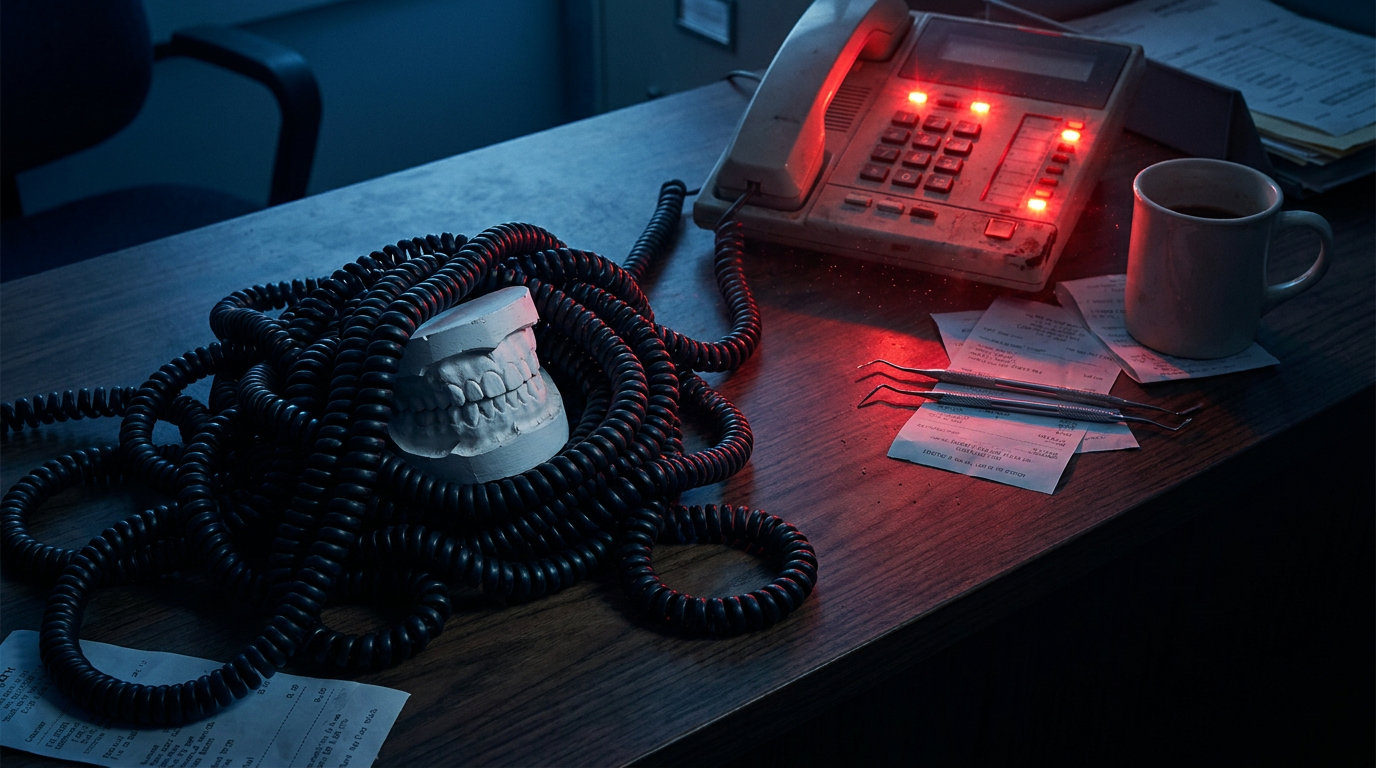
Sarah runs a dental practice in a busy suburb. She is a brilliant dentist, but by three o'clock every Tuesday, she used to look like she’d gone ten rounds with a heavyweight.
The problem wasn't the patients. It was the phone.
The phone at a dental clinic is a relentless beast. It rings when the receptionist is processing a payment. It rings when they are trying to explain a treatment plan to a nervous patient. It rings while they are already on the other line with an insurance company.
Sarah’s head receptionist, Diane, was a superstar. She’d been there five years. But last month, Diane sat Sarah down and told her she couldn't do it anymore. She was burnt out. The constant "ping-pong" of missed calls and frantic voicemails was making her hate her job.
The Maths of a Missed Call
Sarah did something most business owners avoid: she looked at the numbers.
She checked her phone logs against her booking software. On average, the practice was missing fifteen calls a day. Some were just people checking opening times, but at least three were new patients trying to book a check-up or an emergency filling.
If an average new patient is worth £150 in their first visit, Sarah was flushing £450 down the toilet every single day. That is over £9,000 a month in lost revenue because the front desk was too busy to pick up a plastic handset.
She tried hiring a second receptionist. That lasted two weeks. The extra person just added more noise to a small front desk area and ate into the profit margins. Sarah didn't need more people. She needed her dental practice automation to actually do the heavy lifting.
She realized that if she didn't fix the tech, she was going to lose Diane, and then the whole business would really start to crumble. You can read more about why paying for more tools isn't the answer on my main page, but for Sarah, it was about making one specific thing work.
The Messy Middle: Trying "Fancy" Solutions
Like many SMB owners, Sarah’s first instinct was to throw a flashy tool at the problem. She signed up for an expensive AI tool that promised to answer the phone with a human-sounding voice.
It was rubbish.
The "AI" sounded like a robot with a cold. It couldn't understand local accents. Patients got frustrated and hung up anyway. It was a "game-changer" on the sales page, but in the trenches of a Saturday morning dental emergency, it was a liability.
The real fix didn't require a "revolutionary" robot. It required a bit of common sense and a system that actually talked to her calendar.
We sat down and looked at what actually happens when a patient calls. Most of them just want to do one of three things:
- Book an appointment.
- Change an appointment.
- Ask if they can park out front.
The Practical Fix That Saved the Staff
We didn't replace Diane. We gave her a shield.
First, we set up a simple missed-call text back system. If the phone rang for more than twenty seconds without an answer, the caller immediately got a text message: "Sorry we missed you! We're currently helping another patient. If you'd like to book an appointment, you can do it here [Link], or just reply to this text."
Here is what happened next:
- The Bookers: People clicked the link and booked themselves into the gaps in the calendar. No phone call required.
- The Askers: People replied "Do you have parking?" and Diane could reply via text in five seconds between tasks, rather than being stuck on a four-minute phone call.
- The Priority: Diane could see the text replies on her computer screen. If someone texted "My tooth just fell out," she knew to call them back instantly. If someone texted "Just checking my time for next week," she could let the system handle it.
Instead of fighting the phone, Diane was now managing a silent, organised queue. You can see how we set up these kinds of consulting deep dives for businesses that are drowning in admin.
A Day in the Life: The New Normal
Three months later, the practice feels different. It’s quiet.
Diane is still there. She isn't stressed anymore because she isn't "chasing" the phone all day. She spends her time talking to the people actually standing in front of her, which is what she’s best at.
Sarah’s booking calendar is fuller than ever. Because the system catches people the second they get frustrated, they don't call the dentist three doors down. They just click the link in the text and they're sorted.
The numbers don't lie:
- 22% increase in new patient bookings in the first month.
- 15 hours a week saved in manual "phone tag" and voicemail checking.
- One very happy head receptionist who is no longer looking for a new job.
Your business probably doesn't need a "disruptive" AI strategy. It probably just needs the software you already have to work the way a human actually wants to use it.
If you are tired of being the mechanic, the receptionist, and the owner all at once, let's talk about getting your life back.
Take the first step toward a system that actually works: Explore The Visionary System or book a strategy call here.
---
**If you want to talk this through with people who are actually doing it, come join us in Business Without the Bullsh*t on Facebook.** No gurus, no fluff, just real conversations with other small business owners working it out.
---
About Steven Tann: Steven is "The Bloke Who Fixes Your Tech Stack." With over 10 years in the trenches helping more than 7,000 small and medium businesses, he cuts through the guru fluff and builds AI, marketing and automation systems that actually work for real business owners. No jargon. No upsells. Just sorted. Find out more at steventann.com.